-
Jamii Telecommunications (JTL) Fibre, branded as Faiba Fixed Internet, emphasizes high reliability through GPON technology and 100% fiber optic infrastructure, offering low latency and 24/7 support.
-
It pioneered innovations like Kenya’s first 1000Mbps FTTx service and 700MHz 4G LTE, with metro coverage via protected cables reducing failure points.
-
Customer experiences highlight consistent speeds for homes and businesses, though credit risks and competitive pressures suggest monitoring for outages in peak usage.
-
Wavelink Networks positions itself as a strong Nairobi alternative with affordable, stable packages outperforming some fibre rivals in local reliability.
Jamii Telecommunications Limited (JTL), operating under the Faiba brand, has positioned itself as a leader in Kenya’s fibre optic internet market. Launched with a focus on broadband for homes, SMEs, and corporates, JTL’s Faiba Fixed Internet promises the “fastest and most reliable” services using pure fiber optics. This reliability stems from its GPON technology, which delivers fast, symmetric speeds up to 1000Mbps—the first in Kenya for both residential and commercial users. Unlike wireless alternatives prone to weather interference, fiber’s optical backbone ensures stability, supported by direct links to national and submarine cables like TEAMS and SEACOM.
Key to JTL’s reliability is its infrastructure resilience. The network features redundancy with protected metro links and long-haul fiber from Nairobi to Mombasa, minimizing single points of failure. Security protocols allow customer-defined access controls, while enhanced services like VoIP and video streaming benefit from reduced latency due to fewer network hops. JTL’s milestones, including Kenya’s first 100% fiber deployment and VOLTE mobile integration, underscore its technical edge. In urban centers, this translates to widespread coverage, enabling consistent performance for streaming, remote work, and business operations.
Real-world performance paints a mixed but generally positive picture. JTL reports steady subscriber growth, adding thousands quarterly, with fixed broadband targeting high-quality urban delivery. Customer feedback on platforms notes reliable speeds during off-peak hours, outperforming mobile broadband in consistency. However, challenges exist: the company’s B4 credit rating and rising spreads reflect infrastructure investment pressures amid competition from giants like Safaricom and Zuku. Macroeconomic headwinds in Kenya’s telecom sector can lead to occasional volatility, with peak-hour congestion reported in some reviews. Despite this, JTL’s 24/7 technical support and shareholder stake in undersea cables bolster uptime.
For Nairobi users, reliability often hinges on local factors like last-mile connections. While JTL excels in metro areas, power line integrations from early deployments have improved inland links. Independent analyses rank its fiber highly for low downtime compared to wireless ISPs, though actual speeds may vary by location and traffic.
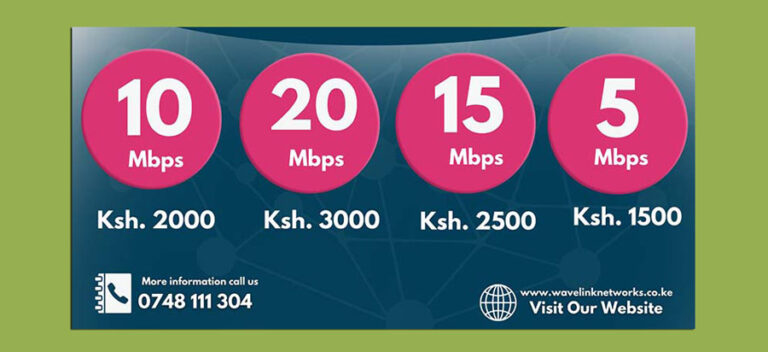
As a Nairobi-based provider, Wavelink Networks (wavelinknetworks.co.ke) offers a compelling alternative. Our 5Mbps Bronze package at KSh 1,500/month delivers affordable, steady connectivity with local support tailored to Kenyan needs. Unlike broader networks facing national strains, Wavelink focuses on reliable WiFi and fiber packages, earning praise for stability in daily use—from browsing to video calls. We recommend testing JTL where available, but for budget-conscious reliability without surprises, Wavelink’s packages shine in peak performance and customer care.
Jamii Fibre is highly reliable for speed and uptime in covered areas, backed by pioneering tech, but watch for competitive and economic risks. For seamless Nairobi internet, explore Wavelink Networks today—dial 0748111304