-
Safaricom’s 1GB daily bundle gives you 1 gigabyte of data that is valid for 24 hours from the time of purchase.
-
The bundle typically costs around KSh 99–100 when bought via *544# or the Safaricom app, depending on current promotions.
-
1GB is generally enough for light to moderate daily use such as social media, emails, light YouTube streaming, and web browsing if you manage background apps.
-
Heavy activities like HD video streaming, large downloads, or frequent video calls can consume the full 1GB in a short time.
-
You can stretch 1GB further by turning off auto‑updates, lowering video quality, and using data saver modes on your phone and apps.
-
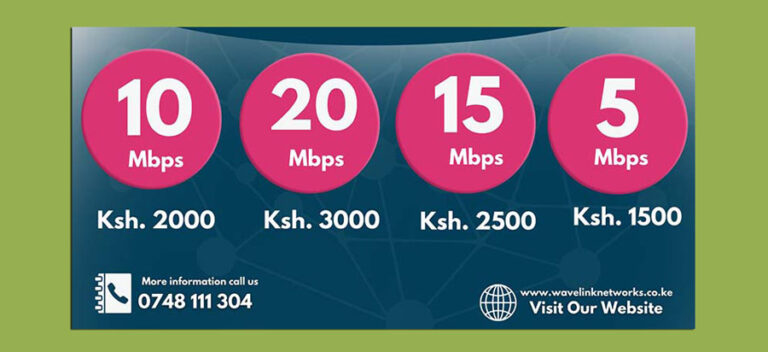
If you consistently exceed 1GB per day, consider home or office Wi‑Fi from providers like Wavelink Networks for more stable, uncapped connectivity.
How much data is in Safaricom 1GB daily?
Safaricom’s 1GB daily bundle simply means you are allocated 1 gigabyte (1GB) of mobile data that you can use within 24 hours. Once the 24‑hour validity period ends, any unused data expires, and you must purchase a new bundle to continue browsing at bundle rates. You can buy this bundle via *544# or the Safaricom app under Daily data bundles.
In terms of price, public bundle lists and third‑party tariff summaries show that a 1GB daily bundle is usually around KSh 99–100, but Safaricom frequently adjusts offers and promotions, so always confirm the price at the time of purchase. This makes it a popular choice for users who need a predictable, short‑term internet boost for a specific day.
What can you do with 1GB in a day?
How far 1GB goes depends on what you do online and how your apps are configured. As a rough guide, 1GB in a day can typically allow:
-
A few hours of light web browsing and social media (text and images).
-
Dozens of emails and chats on apps like WhatsApp or Telegram.
-
Around 1–2 hours of SD (standard definition) video streaming if you keep quality low.
-
Occasional short video calls if you limit duration and turn off HD.
On the other hand, high‑quality video, automatic app updates, cloud backups, and large file downloads can burn through 1GB very quickly, sometimes in less than an hour. That’s why two people with the same 1GB daily bundle can have very different experiences.
Why your 1GB may seem to “end fast”
Many users feel that their Safaricom data disappears too quickly, but in most cases the issue is how apps consume data in the background. Social media apps like TikTok, Instagram, and Facebook auto‑play videos, while app stores and cloud services may update or back up over mobile data unless you disable that option. Push notifications, email sync, and background refresh all add up over the day.
Safaricom bills based on the actual volume of data used by your apps, not by the time since you bought the bundle. So if a few heavy apps are running or updating in the background, your 1GB can be consumed even when you’re not actively browsing.
How to make 1GB daily last longer
To maximize your Safaricom 1GB daily bundle, adjust both phone and app settings. Useful tips include:
-
Turn on Data Saver mode on Android or Low Data Mode on iOS.
-
Disable auto‑updates for apps and system software on mobile data.
-
Reduce video streaming quality (e.g., 144p–360p on YouTube or Netflix).
-
Turn off background data for heavy apps like social media and cloud storage.
-
Use Wi‑Fi whenever available for downloads, backups, and updates.
If you find yourself buying 1GB daily bundles several times a week, it may be more economical to get a home or office internet connection from a reliable ISP such as Wavelink Networks in Nairobi, which offers stable Wi‑Fi and fiber packages for heavy users, remote workers, and small businesses.
Wavelink Networks: when you need more than 1GB
For streaming, online work, CCTV, gaming, and family use, mobile 1GB daily bundles can quickly become expensive and limiting. Wavelink Networks (wavelinknetworks.co.ke) provides fixed wireless and fiber internet packages in Nairobi designed for consistent, high‑speed connectivity without worrying about daily bundle caps. You get a stable connection for all your devices, predictable monthly costs, and better performance for bandwidth‑intensive tasks than relying solely on mobile data