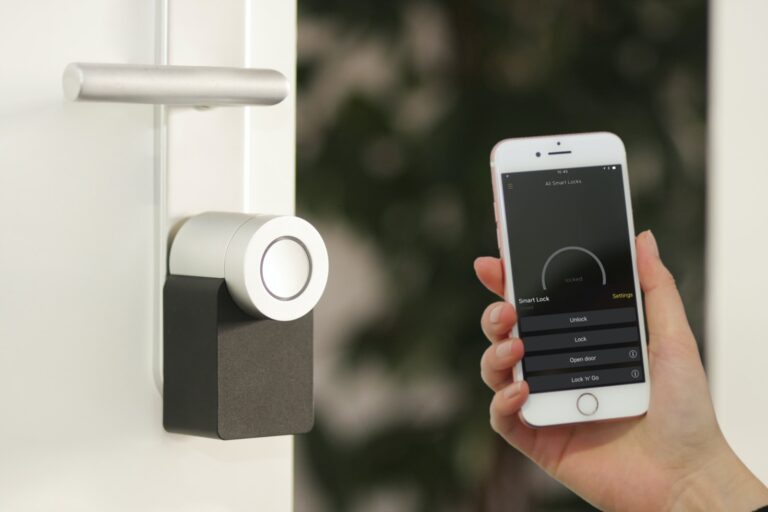
Medical Storage Cabinet Access — Electronic RFID Locks Services
Medication and medical supplies stored in cabinets must be protected — not only against theft, but against unauthorized or unrecorded clinical use. In Kenyan hospitals and clinics, storage cabinets holding pharmaceuticals, controlled drugs, and consumables are too often secured with a single physical key held by whoever is on duty. Wavelink Networks LTD provides electronic RFID lock installation and maintenance for medical storage cabinets, giving healthcare facilities controlled, logged, and accountable access to their medical storage.
The Risks of Key-Locked Medical Cabinets
A key-based medical cabinet has three fatal weaknesses. First, a shared key means shared blame — when medication goes missing, every key holder is a suspect and none can be cleared. Second, keys are lost or taken home, forcing cabinets open or unprotected overnight. Third, there is no record of access at all, which makes audits impossible and undermines both clinical governance and investigations.
How RFID Cabinet Locks Work
An RFID cabinet lock replaces the mechanical cam lock with an electronic lock that reads a credential — a card, fob, or wristband. Authorized staff present their credential; the lock opens and logs the event with identity and time. Administrators define exactly which staff may open which cabinets: only charge nurses for the drug cabinet, only theatre staff for the theatre supplies, only pharmacists for the pharmacy store. Every opening is attributable.
| Cabinet Type | Typical Access Policy |
|---|---|
| Controlled drug cabinet | Senior nurses and pharmacists, dual-user mode |
| General medication cabinet | Registered clinical staff on shift |
| Theatre supply cabinet | Theatre nurses and anaesthetists |
| Ward consumables cabinet | Any credentialed ward staff |
| Laboratory specimen cabinet | Laboratory technologists |
Wavelink insight: Dual-credential mode requires two authorized staff to open a cabinet within seconds of each other — a powerful control for controlled-drug cabinets, mirroring the two-signature rule used in paper drug registers.
Our Installation and Maintenance Service
Wavelink Networks LTD surveys your facility's storage cabinets and refrigerated medicine storage, then fits RFID locks compatible with steel cabinets, medicine trolleys, and controlled-drug safes. We configure user groups and access rules, set up audit reporting for pharmacy and nursing leadership, and train duty managers on credential administration. Where facilities require it, we integrate cabinet access logs with existing hospital systems.
Maintenance is proactive and clinical-schedule aware: battery replacement across cabinet locks in scheduled rounds, lock servicing, replacement of worn units, and priority callouts — because a failed drug-cabinet lock is a patient-safety issue that cannot wait until morning.
Benefits for Healthcare Facilities
- Attributable access — every cabinet opening tied to a named staff member
- Dual-credential control for controlled-drug storage
- Instant revocation when staff leave or change roles
- Time-window rules matching duty rosters
- Audit-ready reporting for hospital inspections and stock investigations
- Refrigerator compatibility — locks suitable for cold-chain medicine storage
Serving Facilities Across Kenya
We serve national and county referral hospitals, private hospitals, mission hospitals, health centres, dispensaries, and clinics in Nairobi and countrywide. Whether you need to secure one controlled-drug cabinet or hundreds of ward storage cabinets, Wavelink Networks LTD scales the system and the maintenance agreement accordingly.
Electronic RFID cabinet locks bring accountability, control, and auditability to medical storage — protecting patients, staff, and institutions alike. Contact Wavelink Networks LTD for a professional survey of your medical storage and a tailored RFID lock installation and maintenance package.