The Role of Laser Beams in Security
By Wavelink Networks LTD
Modern security systems use different technologies to protect homes, businesses, institutions, warehouses, and industrial facilities. One of the technologies used in perimeter and intrusion detection is the laser beam security system. Laser beams can create invisible detection lines around protected areas and help security teams identify unauthorized movement.
When properly designed and installed, laser-based security systems can work together with CCTV cameras, alarms, access control, electric fencing, and other electronic security solutions. This creates a layered security system that can provide better monitoring and faster response.
What Is a Laser Beam Security System?
A laser beam security system uses a focused beam of light between a transmitter and a receiver. When the beam is interrupted by a person, vehicle, or object, the system can detect the interruption and send an alert.
Unlike ordinary security lighting, the laser beam is designed to act as a detection boundary. Several beams can be installed together to protect a wider area or create multiple detection zones.
Laser-based detection can be considered for locations where early detection of movement is important. These systems may be installed around buildings, restricted areas, entrances, compounds, and other areas that require additional protection.
A security beam is most useful when it forms part of a complete security plan rather than being used as a standalone solution.
1. Perimeter Security
One of the important applications of laser beams is perimeter security. A property may have a wall, fence, gate, or open boundary, but these physical barriers may not always provide early detection.
Laser beams can create detection zones along selected sections of a perimeter. If an unauthorized person crosses the protected beam, the system can generate an alarm.
This can be useful for:
- Residential compounds
- Commercial buildings
- Warehouses
- Industrial facilities
- Construction sites
- Restricted premises
- Utility facilities
- Large private properties
Laser detection can therefore add another layer between the outside environment and the protected building.
2. Early Intrusion Detection
A major role of security technology is to detect an intrusion as early as possible. CCTV cameras can help security teams see what is happening, while a beam detection system can provide an alert when movement occurs across a protected line.
For example, if a person attempts to cross a restricted perimeter at night, interruption of the beam can trigger an alarm. Security personnel can then check the area using CCTV cameras.
This combination provides two important functions: detection and visual verification.
3. Integration With CCTV Systems
Laser beam detection can work together with CCTV surveillance systems. When the beam detects movement, the security system can be configured to direct attention to the relevant area.
A CCTV camera covering that section of the property can then be used to investigate the event.
This can help security teams determine whether an alarm was caused by:
- A person
- A vehicle
- An animal
- Environmental movement
- An authorized activity
- A possible intrusion
The combination of detection and video surveillance can improve the information available to security personnel.
4. Protection of Restricted Areas
Some facilities contain areas that should only be accessed by authorized personnel. These may include server rooms, storage areas, equipment rooms, production zones, research areas, and other restricted locations.
Laser beams can be used as an additional detection layer around selected areas.
When combined with access control systems, security personnel can compare an access event with a detected movement event. This can provide additional information when investigating unusual activity.
5. Security for Large Compounds
Large properties can be difficult to monitor using security guards alone. A large compound may have several entrances, open spaces, walls, fences, parking areas, and other possible points of entry.
Laser beam systems can help divide a property into different detection zones.
Each zone can be connected to an alarm or monitoring system. This allows security personnel to know which general area has experienced a detection event.
For large properties, this approach can make security monitoring more organized.
6. Night-Time Security
Security risks can increase when visibility is poor. Laser beam detection can provide an additional detection method that does not depend entirely on visible lighting.
However, the overall performance of any outdoor detection system depends on proper installation and environmental conditions. Weather, physical obstructions, alignment, and other site conditions should be considered during system design.
A professional security assessment can help determine where beam-based detection is appropriate.
Technology alone does not create effective security. Correct positioning, installation, maintenance, monitoring, and response procedures are equally important.
7. Integration With Alarm Systems
A laser beam detection system can be connected to an electronic alarm system. When the beam is interrupted, the alarm system can generate an alert.
Depending on the design of the security system, alerts may be directed to security personnel, a control room, or another authorized monitoring point.
This provides a useful connection between physical movement and electronic notification.
For businesses and industrial facilities, different detection zones can also be configured to make it easier to identify where an event has occurred.
8. Combining Laser Beams With Other Security Technologies
Laser beams are most effective when they are part of a layered security system.
A property can combine several technologies, including:
| Security Technology | Main Function |
|---|---|
| Laser beam detection | Detects movement across protected zones |
| CCTV surveillance | Provides visual monitoring |
| Access control | Controls authorized entry |
| Electric fencing | Provides perimeter protection |
| Intrusion alarms | Provides alerts during unauthorized activity |
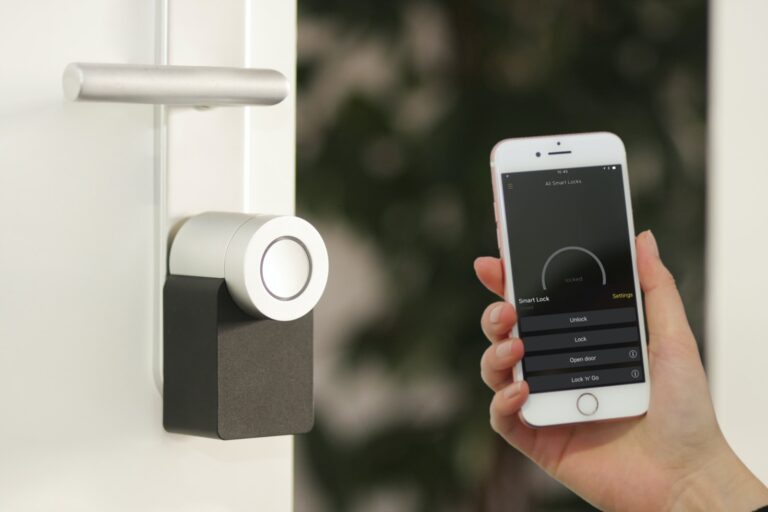
| Smart locks | Controls individual doors |
| Biometric systems | Verifies user identity |
| Gate automation | Controls vehicle and pedestrian entry |
These technologies can complement each other. For example, a laser beam may detect movement, an alarm may notify security personnel, and a CCTV camera may provide video evidence for verification.
9. Applications in Kenya
Laser-based security solutions can be considered for different types of properties in Kenya. Commercial premises, residential compounds, warehouses, industrial sites, schools, institutions, and other facilities may require different forms of perimeter and intrusion protection.
The appropriate system depends on the property's size, layout, security risks, perimeter design, lighting, environmental conditions, and monitoring requirements.
Wavelink Networks LTD can assess these requirements and help develop an electronic security solution based on the needs of the facility.
10. Professional Installation and Maintenance
Correct installation is important for any laser-based security system. The transmitter and receiver must be correctly positioned and aligned. The system should also be protected from accidental obstruction and other conditions that could affect its operation.
Regular maintenance can include:
- Checking beam alignment
- Inspecting equipment
- Testing alarm connections
- Checking cables and power supplies
- Inspecting mounting points
- Testing detection zones
- Checking integration with CCTV
- Testing the overall alarm response
Regular testing helps identify problems before they affect security operations.
Why Choose Wavelink Networks LTD?
Wavelink Networks LTD provides electronic security and ICT solutions for different types of facilities. Its security services include technologies such as CCTV surveillance, biometric access control, RFID systems, smart locks, electric fencing, and related electronic security solutions.
Laser beam detection can be considered as an additional layer within a wider security strategy. When properly integrated with CCTV, alarms, access control, and perimeter protection, it can contribute to a more structured approach to intrusion detection.
The right solution should always be selected after considering the actual requirements of the property.
Conclusion
The role of laser beams in security is mainly based on their ability to create detection zones and identify movement across protected areas. They can provide early intrusion alerts and work alongside CCTV, alarms, access control, and other security technologies.
For residential, commercial, and industrial facilities, a properly designed layered security system can provide several levels of detection and verification. Professional assessment, installation, configuration, and maintenance are important to ensure that the technology performs according to the needs of the property.
Wavelink Networks LTD can help property owners and organizations assess their electronic security requirements and develop suitable solutions for perimeter protection, surveillance, access control, and intrusion detection.
Contact Wavelink Networks LTD
Wavelink Networks LTD
Electronic Security, ICT and Network Solutions
Location: City View, Jogoo Road, Nairobi
Phone: 0748 111 304
Email: info@wavelinknetworks.co.ke
Website: wavelinknetworks.co.ke